
 ACCOUNT
 LOGIN
LOGIN


News
-
Solenoid vs. Manual vs. Proportional
![]()
 Hydraulic valves are essential for regulating fluid flow within hydraulic systems. When designing or upgrading a system, choosing the appropriate hydraulic valve type is vital for ensuring peak performance and efficiency. Commonly utilized types include solenoid, manual, and proportional valves, each serving various industrial applications. This blog will delve into the distinctions between these valve types, their specific applications, advantages, and factors to consider, aiding you in making an informed selection for your hydraulic system requirements.
 -
A Guide to Hydraulic Filters: How They Keep Your System Clean
![]()

A hydraulic filter is a device designed to remove contaminants from hydraulic fluid, ensuring that the fluid remains clean and free from debris. This is essential for maintaining the performance and longevity of hydraulic systems. Hydraulic filters work by trapping contaminants such as dirt, metal particles, and other impurities as the fluid passes through the filter media.
-
Contamination in Hydraulic Systems: Causes, Effects, Prevention, and Remediation
![]()

Contamination in hydraulic systems poses a significant threat to the reliability, performance, and lifespan of hydraulic equipment and accounts for 80% of system breakdowns primarily resulting from contamination. From microscopic particles to water and air, various contaminants can infiltrate hydraulic systems, leading to a range of issues such as component wear, fluid degradation, and system failures. In this comprehensive blog, we'll delve into the causes of contamination, its effects on hydraulic systems, preventive measures, and remediation techniques to ensure optimal system operation.
-
Understanding Hydraulic Accumulators: Their Types and Applications
![]()
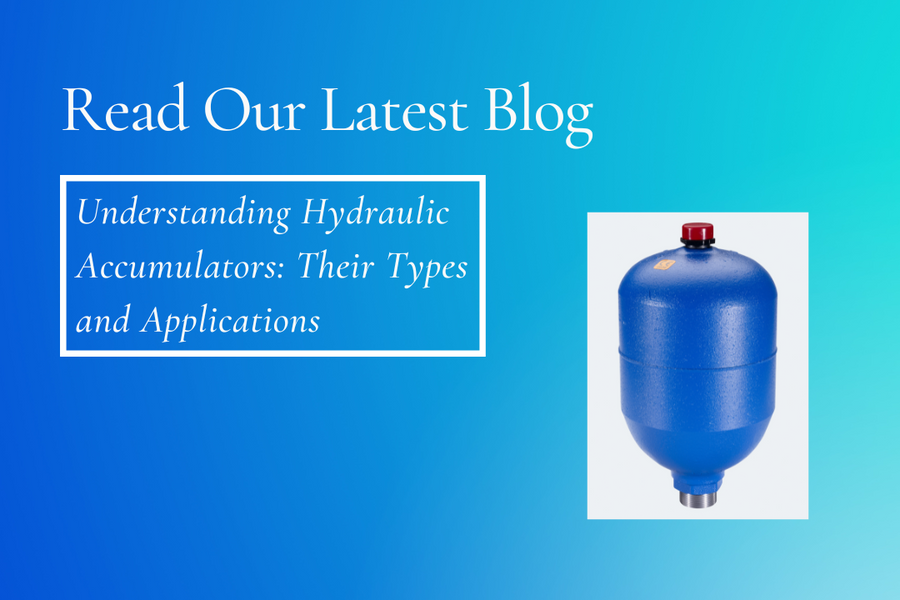
What is a Hydraulic Accumulator? A hydraulic accumulator is a device that stores pressurized fluid under the action of an external force. It consists of a pressure vessel, a piston, and a fluid inlet and outlet. When hydraulic fluid is pumped into the accumulator, it compresses the gas inside, storing potential energy that can be released when required.
-
Custom Hydraulic Power Packs: Tailoring Solutions for Your Needs
![]()

Neilson Hydraulics specialises in designing and manufacturing an extensive range of Hydraulic Power Units.
We have been designing, building, installing and commissioning hydraulic power units for over 30 years, covering a wide range of applications across a variety of sectors.
We manufacture custom-made hydraulic power units that can be built strictly per client specifications. We can provide you with a complete hydraulic solution from concept to completion. We can provide repeat hydraulic power units, as well as hydraulic power units for specialist projects.
-
10 Signs Your Hydraulic Pump Needs to Be Rebuilt
![]()
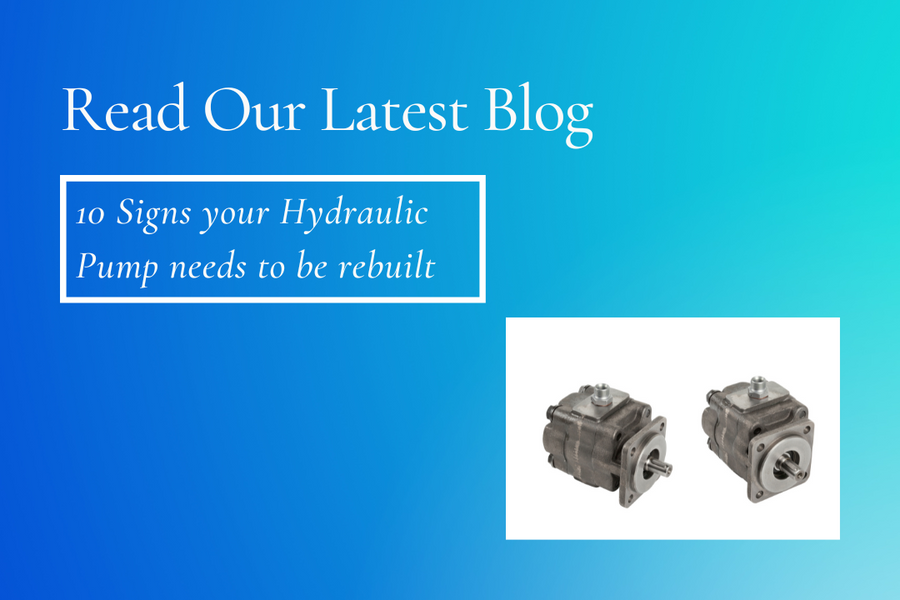
Hydraulic systems are the lifeblood of countless industrial and mobile applications, powering everything from manufacturing machinery to construction equipment. Central to these systems is the hydraulic pump, responsible for converting mechanical power into hydraulic energy. A well-maintained hydraulic pump ensures the reliability and efficiency of your hydraulic system. However, even the most robust pumps can wear out over time. Below we'll explore the ten tell-tale signs that indicate your hydraulic pump may be in need of a rebuild.
-
Safeguarding Your Hydraulic System: The Role of Pressure Relief Valves
![]()
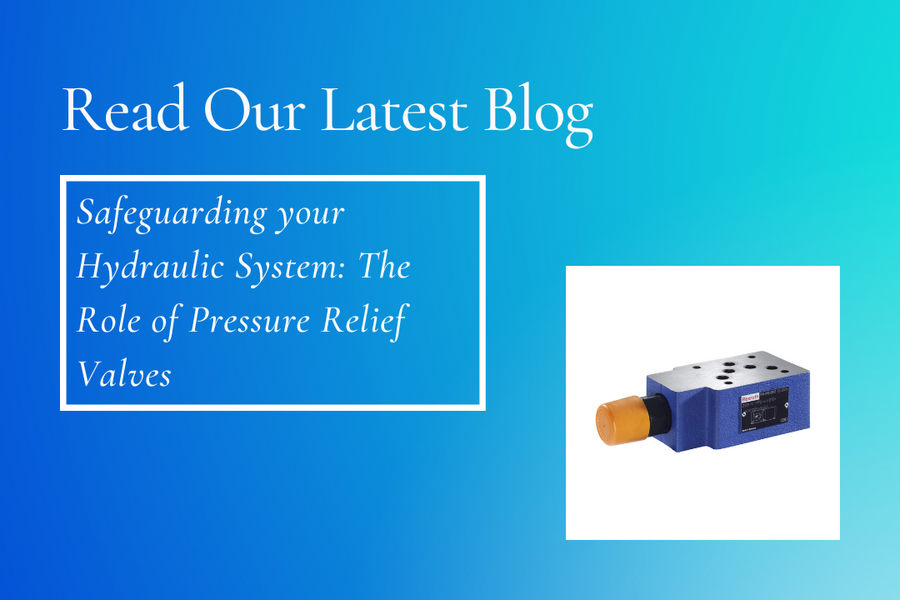
The pressure relief valve is a small yet mighty component designed to regulate pressure within the hydraulic system. Operating on a simple yet ingenious principle, these valves act as safety mechanisms, preventing pressure from exceeding predetermined thresholds. When pressure surpasses the set limit, the relief valve opens, diverting excess fluid back to the reservoir or another low-pressure area, thereby averting potential damage.
-
10 Signs Your Hydraulic Pump Needs to Be Rebuilt
![]()
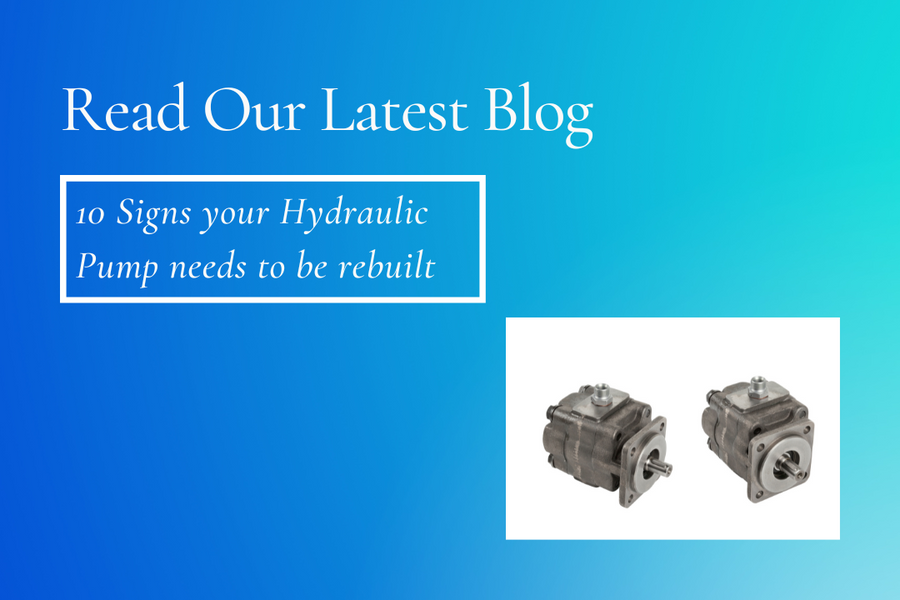 Hydraulic systems are the lifeblood of countless industrial and mobile applications, powering everything from manufacturing machinery to construction equipment. Central to these systems is the hydraulic pump, responsible for converting mechanical power into hydraulic energy. A well-maintained hydraulic pump ensures the reliability and efficiency of your hydraulic system. However, even the most robust pumps can wear out over time.
 -
How Does a Hydraulic Power Pack Work?
![]()
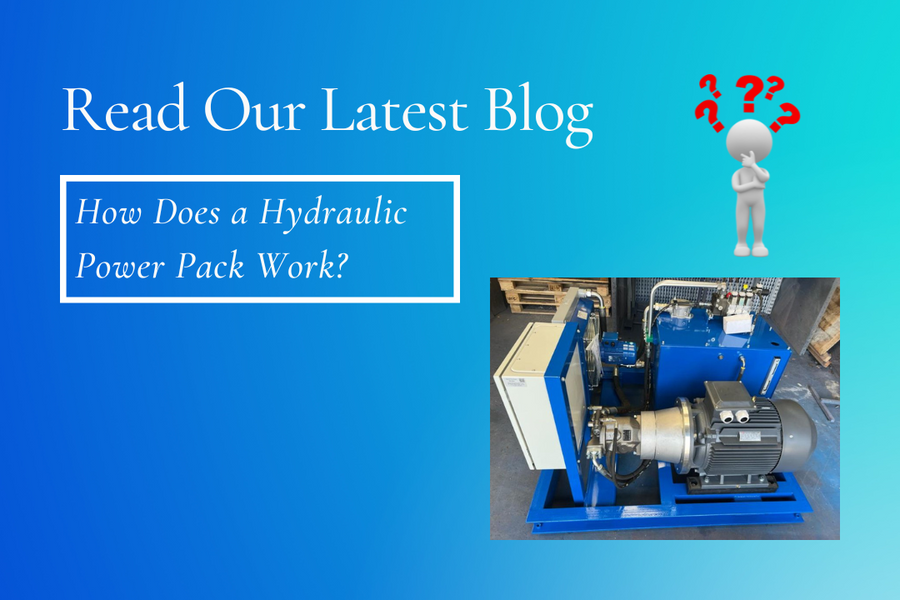
Definition of Hydraulic Power Pack: A hydraulic power pack, often referred to as a hydraulic power unit (HPU) or hydraulic power station, is a self-contained unit that generates, controls, and supplies hydraulic power to various hydraulic systems. It serves as a centralized source of hydraulic energy, converting mechanical power into fluid power to drive hydraulic machinery and actuators.
-
Hydraulic Power in Agriculture: Boosting Productivity on the Farm
![]()

Agriculture has always been the backbone of human civilization, providing food, fiber, and sustenance for millennia. Over the years, farming techniques have evolved significantly, with one of the most transformative innovations being the integration of hydraulic power. Hydraulic systems have revolutionized the way farmers work, enhancing efficiency, precision, and productivity on the farm. In this comprehensive guide, we will explore how hydraulic power is transforming agriculture and driving increased yields and sustainability.
-
Optimising Hydraulic System Control with Proportional Valves
![]()
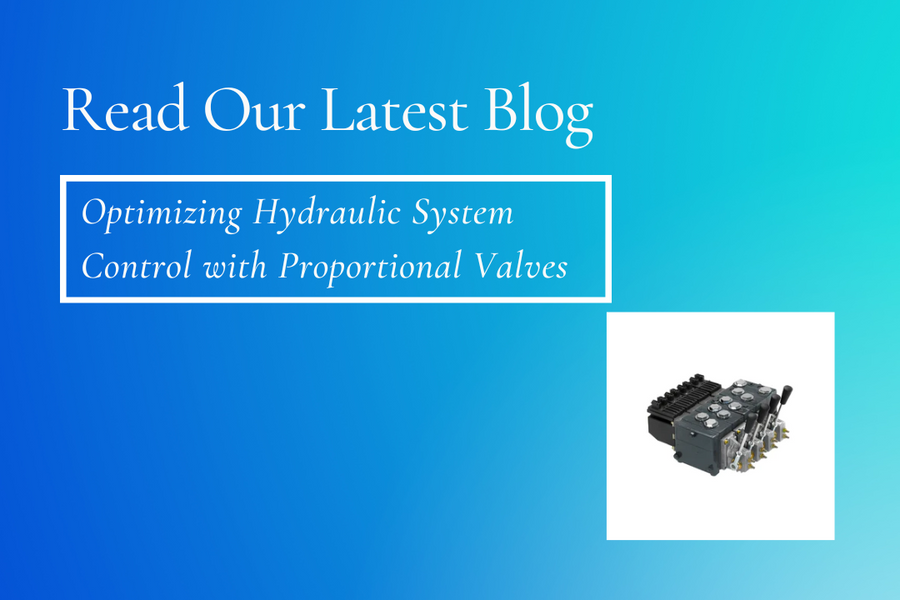 Hydraulic systems are the backbone of various industries, powering heavy machinery and providing precise control for a multitude of applications. One critical component that plays a pivotal role in enhancing control and efficiency within hydraulic systems is the proportional valve. At Neilson Hydraulics we can help with all your Danfoss hydraulic power solutions
 -
Hydraulic Calculations and Formulas
![]()

Hydraulic systems serve as the lifeblood of numerous industries, powering essential machinery and processes with precision and efficiency. The significance of hydraulic calculations in these diverse sectors cannot be overstated, playing a critical role in ensuring optimal performance, safety, and resource utilization. For engineers, technicians, and professionals working with hydraulic systems, a comprehensive understanding of hydraulic formulas is paramount for success.


- Previous page
- Page 5 of 9
- Next page